
Micro SaaS vs Full Scale SaaS Business Comparison: A Comprehensive Guide
When it comes to starting a SaaS business, one of the most critical decisions you’ll make is whether to opt for a micro SaaS or a full-scale SaaS model. This micro SaaS vs full scale SaaS business comparison is crucial, as it will significantly impact your business’s growth, scalability, and overall success. In this article, we’ll delve into the world of SaaS, exploring the pros and cons of each model, and providing you with the insights you need to make an informed decision. The micro SaaS vs full scale SaaS business comparison is not just about the size of your business; it’s about understanding your target audience, resources, and market requirements.
Understanding Micro SaaS
Micro SaaS refers to a small, niche-focused software as a service (SaaS) business that targets a specific audience or industry. These businesses typically have a limited scope, a small team, and a narrow focus on solving a particular problem. The micro SaaS vs full scale SaaS business comparison often starts with the development costs, where micro SaaS businesses have lower costs and faster time-to-market. This makes micro SaaS an attractive option for entrepreneurs and small businesses looking to quickly validate their ideas and get to market.
Benefits of Micro SaaS
- Lower development costs, which is a significant factor in the micro SaaS vs full scale SaaS business comparison
- Faster time-to-market, allowing for quicker validation and iteration
- More agile development processes, enabling rapid response to market changes
- Higher potential for profitability, due to lower operational costs
Understanding Full Scale SaaS
Full scale SaaS, on the other hand, refers to a larger, more comprehensive software as a service (SaaS) business that targets a broader audience or industry. These businesses typically have a wider scope, a larger team, and a more extensive focus on solving multiple problems. In the micro SaaS vs full scale SaaS business comparison, full scale SaaS businesses often have higher development costs, longer time-to-market, and more complex development processes. However, they also offer a broader market reach and higher potential for growth.
Benefits of Full Scale SaaS
- Broader market reach, allowing for greater brand recognition and customer acquisition
- More extensive feature set, enabling the business to cater to a wider range of customer needs
- Higher potential for growth, through expanded market share and increased revenue streams
- Greater brand recognition, leading to increased credibility and trust among customers
Micro SaaS vs Full Scale SaaS: Key Differences and Considerations
The main differences between micro SaaS and full scale SaaS lie in their scope, team size, development costs, and time-to-market. The micro SaaS vs full scale SaaS business comparison is not just about these differences but also about understanding how they impact your business strategy and goals. Micro SaaS businesses are typically smaller, more agile, and more focused, while full scale SaaS businesses are larger, more complex, and more comprehensive.
Comparison Table
| Characteristic | Micro SaaS | Full Scale SaaS |
|---|---|---|
| Scope | Niche-focused | Broad-focused |
| Team Size | Small | Large |
| Development Costs | Lower | Higher |
| Time-to-Market | Faster | Longer |
Frequently Asked Questions About Micro SaaS vs Full Scale SaaS Business Comparison
What is the primary advantage of micro SaaS in the micro SaaS vs full scale SaaS business comparison?
The primary advantage of micro SaaS is its lower development costs and faster time-to-market, making it an attractive option for entrepreneurs and small businesses. This is a crucial point in the micro SaaS vs full scale SaaS business comparison, as it allows for quicker entry into the market and faster iteration based on customer feedback.
What is the primary advantage of full scale SaaS in the micro SaaS vs full scale SaaS business comparison?
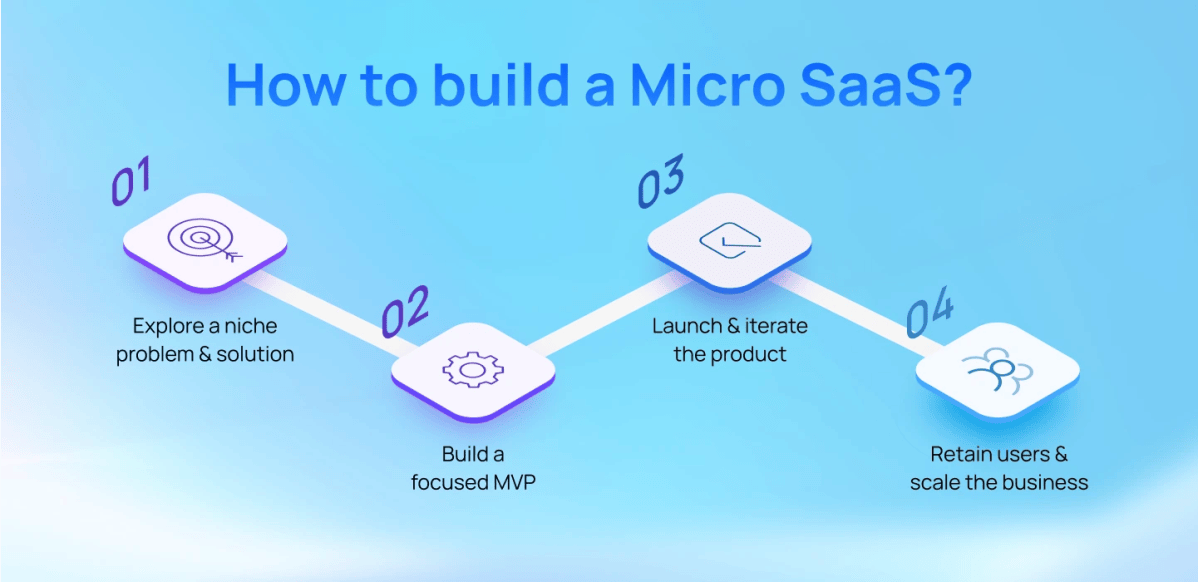
The primary advantage of full scale SaaS is its broader market reach and higher potential for growth, making it an attractive option for larger businesses and enterprises. The micro SaaS vs full scale SaaS business comparison highlights the importance of understanding your business goals and resources before deciding between these two models.
Can a micro SaaS business scale to become a full scale SaaS business, and what does this mean for the micro SaaS vs full scale SaaS business comparison?
Yes, a micro SaaS business can scale to become a full scale SaaS business, but it requires careful planning, significant investment, and a strong understanding of the market and industry. This process involves expanding the scope, increasing the team size, and enhancing the feature set, all of which are critical considerations in the micro SaaS vs full scale SaaS business comparison.
What are the key challenges faced by micro SaaS businesses, and how do these impact the micro SaaS vs full scale SaaS business comparison?
The key challenges faced by micro SaaS businesses include limited resources, intense competition, and the need to constantly innovate and improve their products and services. These challenges are significant in the micro SaaS vs full scale SaaS business comparison, as they can impact the business’s ability to scale and compete with larger, more established players.
What are the key challenges faced by full scale SaaS businesses, and what implications does this have for the micro SaaS vs full scale SaaS business comparison?
The key challenges faced by full scale SaaS businesses include high development costs, complex development processes, and the need to manage a large team and infrastructure. The micro SaaS vs full scale SaaS business comparison must consider these challenges, as they can significantly impact the business’s profitability, scalability, and overall success.
Conclusion
In conclusion, the micro SaaS vs full scale SaaS business comparison is a critical decision for entrepreneurs and businesses. While micro SaaS offers lower development costs and faster time-to-market, full scale SaaS offers broader market reach and higher potential for growth. Ultimately, the choice between micro SaaS and full scale SaaS depends on your business goals, resources, and market requirements. By understanding the pros and cons of each model, as outlined in this micro SaaS vs full scale SaaS business comparison, you can make an informed decision and create a successful SaaS business.
- Micro SaaS is ideal for small businesses and entrepreneurs with limited resources, making it a viable option in the micro SaaS vs full scale SaaS business comparison
- Full scale SaaS is ideal for larger businesses and enterprises with significant resources, offering a broader market reach and higher growth potential in the micro SaaS vs full scale SaaS business comparison
- Scaling a micro SaaS business to become a full scale SaaS business requires careful planning and significant investment, a critical consideration in the micro SaaS vs full scale SaaS business comparison
We hope this article has provided you with valuable insights into the micro SaaS vs full scale SaaS business comparison. If you have any further questions or comments, please don’t hesitate to reach out. Share your thoughts and experiences with us, and let’s continue the conversation on the micro SaaS vs full scale SaaS business comparison.

