
How to Build a Micro SaaS for Figma Community Plugins: A Step-by-Step Guide
As a designer or developer, you’re likely familiar with Figma, the popular design tool used by millions worldwide. But have you ever considered building a micro SaaS (Software as a Service) for the Figma community? With the rise of community plugins, the opportunities are endless. In this article, we’ll explore the world of micro SaaS and provide a step-by-step guide on how to build a micro SaaS for Figma community plugins. You’ll learn what it takes to create a successful plugin, how to identify opportunities in the Figma community, and how to monetize your micro SaaS.
The Figma community is vast and active, with thousands of designers and developers creating and sharing plugins to enhance the design experience. By building a micro SaaS for this community, you can tap into this vast market and create a profitable business. But where do you start? The key is to understand the Figma community plugin ecosystem and identify opportunities to create a micro SaaS that meets the needs of designers and developers.
Understanding the Figma Community Plugin Ecosystem and How to Build a Micro SaaS
Before building a micro SaaS, it’s essential to understand the Figma community plugin ecosystem. Figma plugins are small applications that run within the Figma design tool, providing additional functionality and features to designers. With the Figma API, developers can create custom plugins to automate tasks, integrate with other tools, and enhance the design workflow. To get started, you’ll need to familiarize yourself with the Figma API and the plugin development process. The Figma API provides a comprehensive set of tools and resources for building plugins, including documentation, tutorials, and sample code. By understanding the API and the plugin ecosystem, you can create a micro SaaS that meets the needs of the Figma community.
Identifying Opportunities in the Figma Community to Build a Micro SaaS
To build a successful micro SaaS, you need to identify opportunities in the Figma community. This involves researching the types of plugins that are in demand, understanding the pain points of designers and developers, and identifying areas where you can add value. Some popular plugin categories include design automation, integration with other tools, workflow optimization, and collaboration and communication. By identifying opportunities in these categories, you can create a micro SaaS that solves real problems and meets the needs of the Figma community.
Building a Micro SaaS for Figma Community Plugins: A Step-by-Step Guide
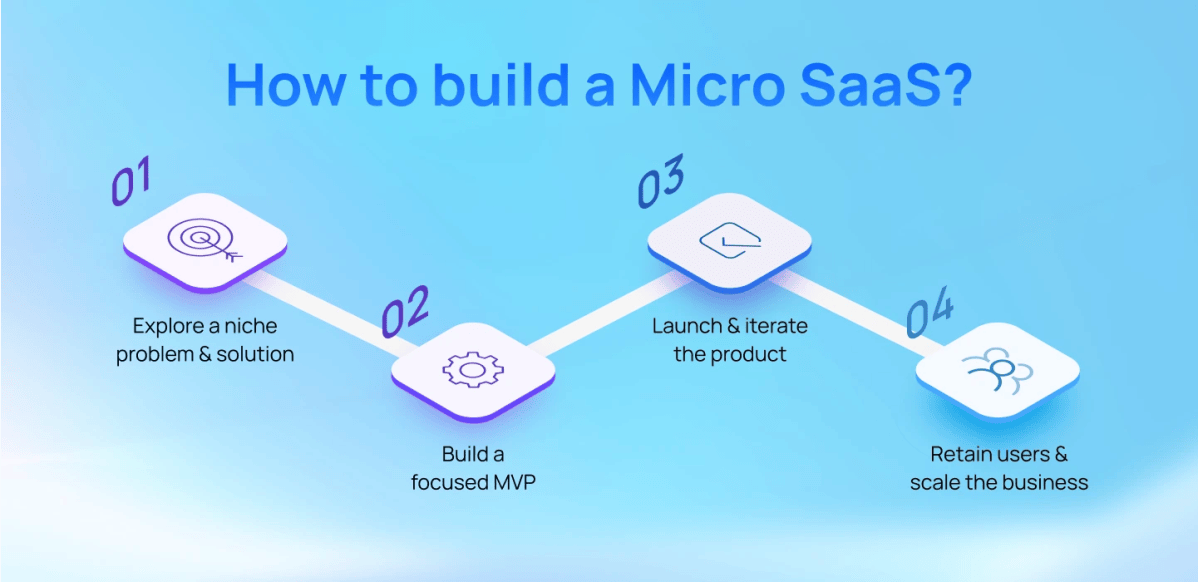
Now that you’ve identified opportunities in the Figma community, it’s time to build your micro SaaS. Here’s a step-by-step guide to get you started:
- Define your plugin idea: Based on your research, define a plugin idea that solves a real problem or meets a specific need in the Figma community.
- Develop your plugin: Use the Figma API and plugin development tools to build your plugin. Start with a simple plugin and iterate based on user feedback.
- Test and refine: Test your plugin with a small group of users and refine it based on feedback.
- Launch and market: Launch your plugin and market it to the Figma community through social media, blogs, and other channels.
Monetizing Your Micro SaaS for Figma Community Plugins
Once you’ve built and launched your micro SaaS, it’s time to monetize it. Here are some strategies to consider:
- Freemium model: Offer a basic version of your plugin for free and charge for premium features.
- Subscription-based: Charge users a monthly or annual subscription fee for access to your plugin.
- Licensing: License your plugin to large enterprises or design agencies.
By monetizing your micro SaaS, you can create a profitable business that generates revenue and grows over time.
Frequently Asked Questions About How to Build a Micro SaaS for Figma Community Plugins
Here are some frequently asked questions about building a micro SaaS for Figma community plugins:
Q: What is the Figma API and how do I use it to build a micro SaaS?
The Figma API is a set of tools and resources for building plugins. You can use it to create custom plugins that automate tasks, integrate with other tools, and enhance the design workflow.
Q: How do I market my plugin to the Figma community and promote my micro SaaS?
You can market your plugin through social media, blogs, and other channels. Reach out to design influencers and bloggers to promote your plugin and micro SaaS.
Q: How do I monetize my plugin and create a profitable micro SaaS?
You can monetize your plugin through a freemium model, subscription-based model, or licensing. Choose a model that works best for your plugin and target audience.
Q: What are the most popular plugin categories in the Figma community for building a micro SaaS?
The most popular plugin categories include design automation, integration with other tools, workflow optimization, and collaboration and communication.
Q: How do I get started with building a micro SaaS for Figma community plugins?
Start by researching the Figma API and plugin development process. Identify opportunities in the Figma community and define a plugin idea that solves a real problem or meets a specific need.
Conclusion: How to Build a Micro SaaS for Figma Community Plugins
Building a micro SaaS for Figma community plugins is a great way to tap into the vast and active Figma community. By understanding the plugin ecosystem, identifying opportunities, and building a high-quality plugin, you can create a profitable business that generates revenue and grows over time. Remember to monetize your plugin through a freemium model, subscription-based model, or licensing, and market it to the Figma community through social media, blogs, and other channels. With this guide, you’ll be well on your way to creating a successful micro SaaS for Figma community plugins. So, what are you waiting for? Get started today and learn how to build a micro SaaS for Figma community plugins!

