
Micro SaaS Case Study $10k MRR Solo Founder: A Comprehensive Guide to Success
Are you a solo founder looking to create a successful micro SaaS business? Reaching $10,000 in monthly recurring revenue (MRR) can seem like a daunting task, but with the right strategy and mindset, it’s achievable. In this article, we’ll delve into a micro SaaS case study of a solo founder who reached $10k MRR and provide you with a step-by-step guide on how to replicate their success. The micro SaaS case study $10k MRR solo founder is a prime example of how to build a thriving business.
As a solo founder, you wear multiple hats, from development to marketing to customer support. It’s essential to focus on building a solid foundation for your micro SaaS business. This includes creating a valuable product, identifying your target audience, and developing a marketing strategy that resonates with them. By following the micro SaaS case study $10k MRR solo founder, you can learn how to create a successful business.
Understanding the Micro SaaS Landscape and the Micro SaaS Case Study $10k MRR Solo Founder
Before we dive into the case study, let’s take a look at the micro SaaS landscape. Micro SaaS businesses are typically small, niche-specific software companies that cater to a specific audience. They’re often bootstrapped, meaning they’re self-funded, and rely on organic marketing efforts to acquire customers. The micro SaaS case study $10k MRR solo founder is a great example of how to navigate this landscape.
To succeed in the micro SaaS space, you need to identify a genuine need in the market and create a product that solves a specific problem. This requires a deep understanding of your target audience and their pain points. By studying the micro SaaS case study $10k MRR solo founder, you can learn how to identify these needs and create a successful product.
Conducting Market Research for Your Micro SaaS Case Study $10k MRR Solo Founder
Conducting market research is crucial to understanding your target audience and identifying a viable business opportunity. This involves analyzing your competition, identifying gaps in the market, and determining the demand for your product. You can use tools like Google Trends, Ahrefs, and SEMrush to analyze your competition and identify trends in your niche. Additionally, you can conduct surveys, interviews, and focus groups to gain a deeper understanding of your target audience. The micro SaaS case study $10k MRR solo founder highlights the importance of market research.
Building a Valuable Product for Your Micro SaaS Case Study $10k MRR Solo Founder
Once you’ve identified a viable business opportunity, it’s time to build a valuable product. This requires a focus on creating a high-quality user experience, ensuring your product is scalable, and continuously gathering feedback from your customers. Your product should solve a specific problem for your target audience, and it should do so in a unique and innovative way. The micro SaaS case study $10k MRR solo founder provides a great example of how to build a valuable product.
Developing a Minimum Viable Product (MVP) for Your Micro SaaS Case Study $10k MRR Solo Founder
Developing a minimum viable product (MVP) is an essential step in building a successful micro SaaS business. An MVP allows you to test your product with a small group of customers, gather feedback, and iterate on your product before scaling. When developing an MVP, focus on creating a basic version of your product that still provides value to your customers. The micro SaaS case study $10k MRR solo founder shows how to develop a successful MVP.
Marketing and Growth Strategies for Your Micro SaaS Case Study $10k MRR Solo Founder
Marketing and growth strategies are critical to reaching $10k MRR as a solo founder. This includes developing a content marketing strategy, leveraging social media, and building an email list. Content marketing is an effective way to attract and engage with your target audience. The micro SaaS case study $10k MRR solo founder provides a great example of how to use content marketing to grow your business.
Using Paid Advertising for Your Micro SaaS Case Study $10k MRR Solo Founder
Paid advertising can be an effective way to drive traffic and acquire customers for your micro SaaS business. Platforms like Google Ads and Facebook Ads allow you to target specific audiences and create targeted ads that resonate with them. The micro SaaS case study $10k MRR solo founder highlights the importance of paid advertising.
Frequently Asked Questions About Micro SaaS Case Study $10k MRR Solo Founder
What is a Micro SaaS Business and How Does it Relate to the Micro SaaS Case Study $10k MRR Solo Founder?
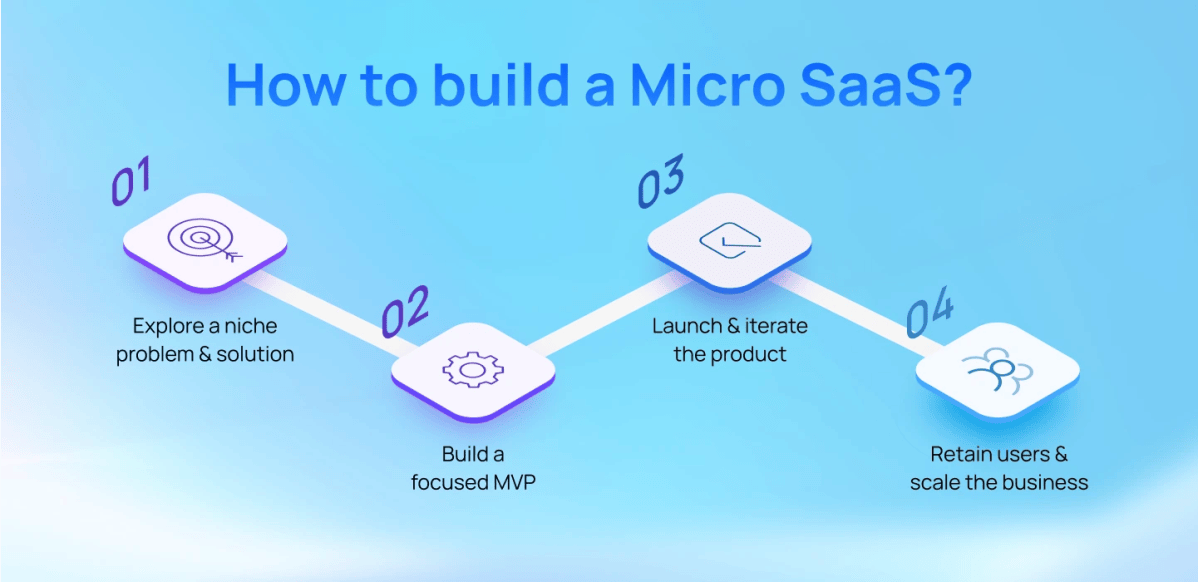
A micro SaaS business is a small, niche-specific software company that caters to a specific audience. Micro SaaS businesses are often bootstrapped and rely on organic marketing efforts to acquire customers. The micro SaaS case study $10k MRR solo founder is a prime example of a successful micro SaaS business.
How Do I Identify a Viable Business Opportunity for My Micro SaaS Case Study $10k MRR Solo Founder?
To identify a viable business opportunity, conduct market research, analyze your competition, and determine the demand for your product. Use tools like Google Trends, Ahrefs, and SEMrush to analyze your competition and identify trends in your niche. The micro SaaS case study $10k MRR solo founder provides a great example of how to identify a viable business opportunity.
What is a Minimum Viable Product (MVP) and How Does it Relate to the Micro SaaS Case Study $10k MRR Solo Founder?
A minimum viable product (MVP) is a basic version of your product that still provides value to your customers. An MVP allows you to test your product with a small group of customers, gather feedback, and iterate on your product before scaling. The micro SaaS case study $10k MRR solo founder shows how to develop a successful MVP.
How Do I Market My Micro SaaS Business and Reach $10k MRR as a Solo Founder?
To market your micro SaaS business, develop a content marketing strategy, leverage social media, and build an email list. Focus on creating high-quality, relevant content that addresses the needs and pain points of your customers. The micro SaaS case study $10k MRR solo founder provides a great example of how to market your micro SaaS business.
Conclusion and Final Thoughts on the Micro SaaS Case Study $10k MRR Solo Founder
Reaching $10k MRR as a solo founder requires a deep understanding of your target audience, a valuable product, and effective marketing and growth strategies. By following the steps outlined in this micro SaaS case study $10k MRR solo founder, you can replicate the success of other solo founders and build a thriving micro SaaS business. The micro SaaS case study $10k MRR solo founder is a prime example of how to achieve success as a solo founder.
Key takeaways:
- Conduct market research to identify a viable business opportunity
- Build a valuable product that solves a specific problem for your target audience
- Develop a minimum viable product (MVP) to test your product with a small group of customers
- Use content marketing, social media, and email marketing to attract and engage with your target audience
- Continuously gather feedback from your customers and iterate on your product
By following these steps and staying focused on your goals, you can achieve success as a solo founder and build a micro SaaS business that generates $10k MRR. The micro SaaS case study $10k MRR solo founder provides a comprehensive guide to achieving this goal.

